Labeling Oily, Greasy & Machined Cast Metal: Engineering Guide
Standard acrylic adhesives frequently fail on oily, greasy & machined cast metal due to low critical surface tension, microscopic texture voids, or severe temperature extremes. This guide outlines the molecular mechanics of adhesion and specifies high-tack Brady formulations engineered to prevent peeling.
Residual cutting oils, stamping lubricants, rust-preventative petroleum grease, and hydraulic fluids create an oily liquid boundary layer that prevents adhesive polymer chains from reaching the underlying steel or cast iron substrate. Standard labels float on the oil film and slide off under vibration.
High-tack adhesives with hydrocarbon-absorbing polymers that penetrate light micro-layers of oil, paired with heavy conformable cloth or foam backings that establish mechanical interlocks into porous cast metal textures.
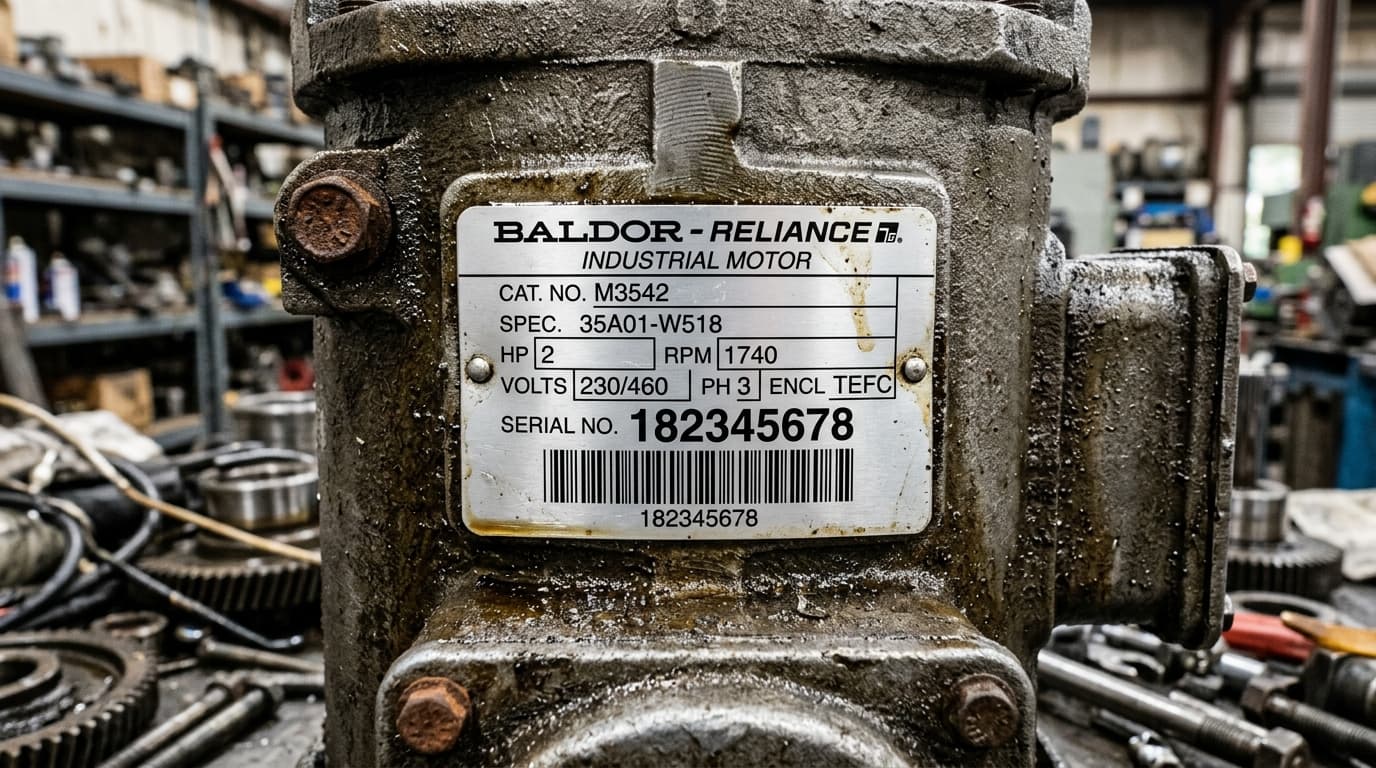
Recommended Brady Materials for Oily, Greasy & Machined Cast Metal
Ultra-Aggressive High-Tack Polyester
Aggressive adhesive formulation absorbs trace oil micro-films on gearboxes, machine tools, and hydraulic pump housings.
Conformable Nylon Cloth Machine Marker
Heavy rubber adhesive and textured fabric establish a mechanical interlock onto rough cast iron motor frames and oily compressor castings.
Raised Panel Foam-Backed Legend Plate
High-mass adhesive layer on compressible foam creates an oil-resistant seal around emergency stop buttons and motor starters.
Orderable Part Numbers for Oily, Greasy & Machined Cast Metal
Pre-sized rolls and cartridges engineered for guaranteed surface adhesion.
Surface Preparation & Application Protocol
Wipe the surface with a 50/50 mixture of Isopropyl Alcohol (IPA) and clean deionized water using a lint-free cloth. Allow the surface to dry completely. For oily or greasy metals, a degreaser solvent like heptane may be used first, followed by an IPA wipe to remove residual solvent film.
Pressure-sensitive adhesives require mechanical force (minimum 15 psi) to displace air pockets and force the polymer into the valleys of textured paint. Adhesives achieve ~50% bond strength immediately, but require a 72-hour dwell time to fully wet out and achieve maximum ASTM D1000 peel adhesion.